When it comes to exercise, many people immediately think of training. Fixed times, sportswear, sweat, and discipline. If a stressful day gets in the way, exercise is simply canceled.
The only problem is that the body doesn't distinguish between exercise and everyday life. What matters to it is how much you move in total—not how motivated you are.
The real problem of our time is therefore not a lack of exercise, but a lack of everyday movement. We sit a lot, stand up little, and rarely move around in between.
Here's a little inspiration on how you can change that.
Why exercise is essential for your body in everyday life
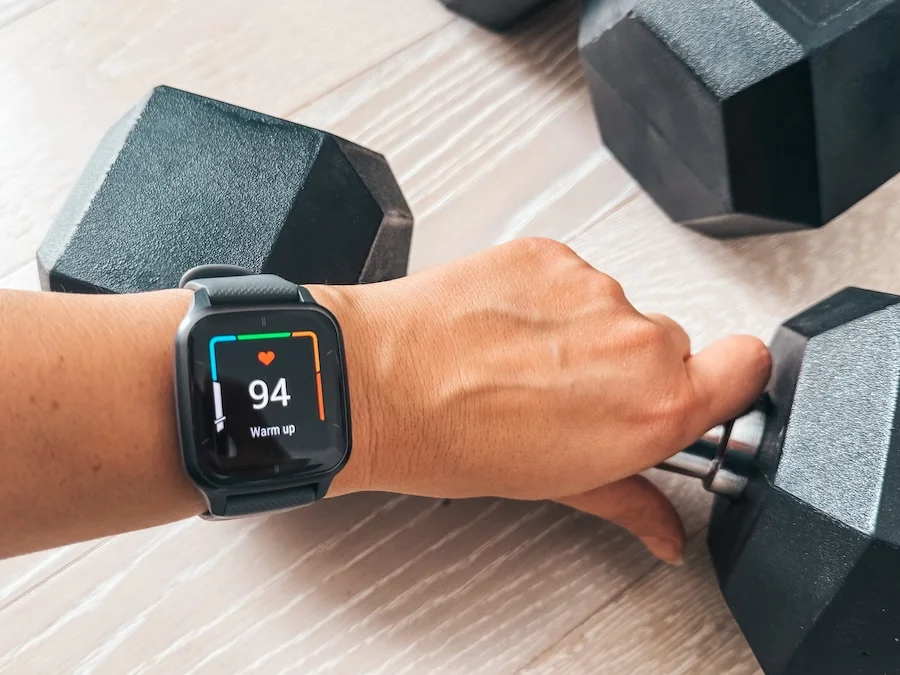
Your body is made for movement. Not for one hour of exercise followed by 23 hours of sitting, but for regular, varied activity spread throughout the day.
Exercise keeps your joints “lubricated,” ensures that muscles do not deteriorate, and keeps your metabolism active.
It stimulates your cardiovascular system, supports blood circulation, and helps your body use energy efficiently.
Your nervous system also benefits, because exercise has a regulating effect: it can activate you when you are tired and calm you down when you are stressed.
In short: exercise is not something extra for particularly motivated people. It is a basic requirement for your body to function as it should.
Why training alone is not enough
Regular exercise is great. But it doesn't automatically solve the problem of lack of exercise.
One hour of exercise per day cannot “compensate” for twenty hours of sitting. The body does not respond to individual peaks of exertion, but to the overall picture. If you sit all day, you will still be getting little exercise even if you add a workout in the evening.
That's why many people feel stiff, tense, or tired despite exercising. Not because they don't do enough, but because they don't exercise often enough. Exercise requires frequency, not just intensity.
What happens if we don't get enough exercise?
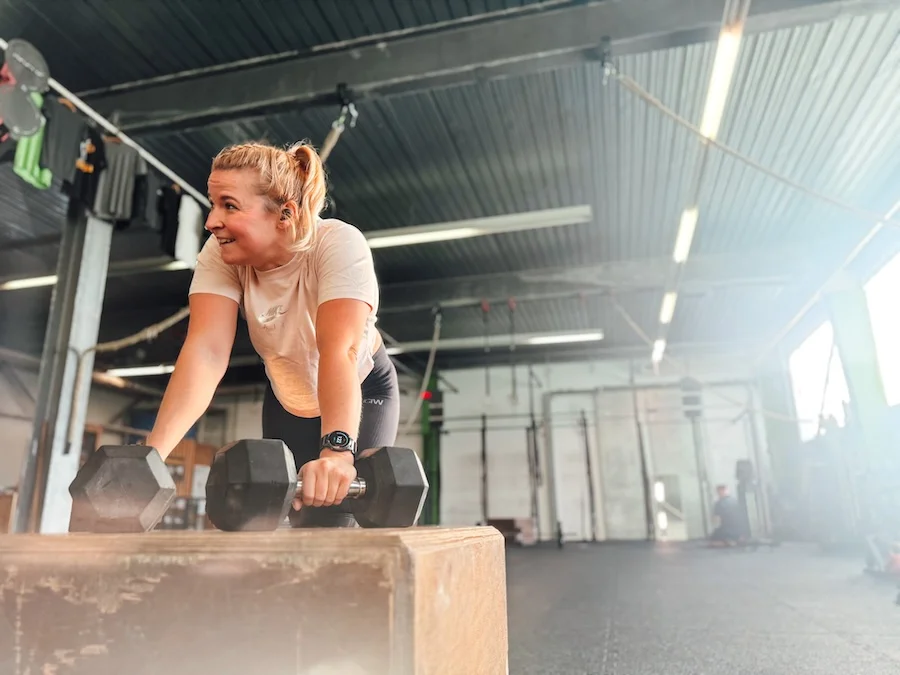
A lack of exercise rarely has an immediate effect. It is not a sudden decline, but a gradual process. This is precisely why it is often underestimated. The body adapts—unfortunately, even to a lack of exercise.
Physically, one thing happens above all else: things become “sluggish.” Joints lose mobility, muscles slowly deteriorate, or no longer work together efficiently.
Hips, back, and shoulders are particularly sensitive to prolonged sitting. The result is stiffness and tension.
The metabolism also reacts. When there is a lack of exercise, energy consumption in everyday life decreases. Many people feel tired or listless, even though they get enough sleep. The body has more difficulty getting going because it lacks the regular movement stimuli that keep it active.
Another issue is posture. People who sit a lot and move little often fall into one-sided positions. Muscles that are supposed to stabilize become passive. Others take on too much work. This does not immediately lead to pain—but often does in the long term.
The mental effects are at least as relevant. Lack of exercise can:
impair concentration
increase stress levels
intensify feelings of inner restlessness
Exercise acts as a natural counterbalance here. Without it, the body often remains in a tense state—even when sitting.
The tricky thing about it is that you get used to it. At some point, a lack of exercise feels normal. Only when you start incorporating more exercise into your daily routine again do you realize how much lighter your body and mind can actually feel.
How can I incorporate more exercise into my daily routine?
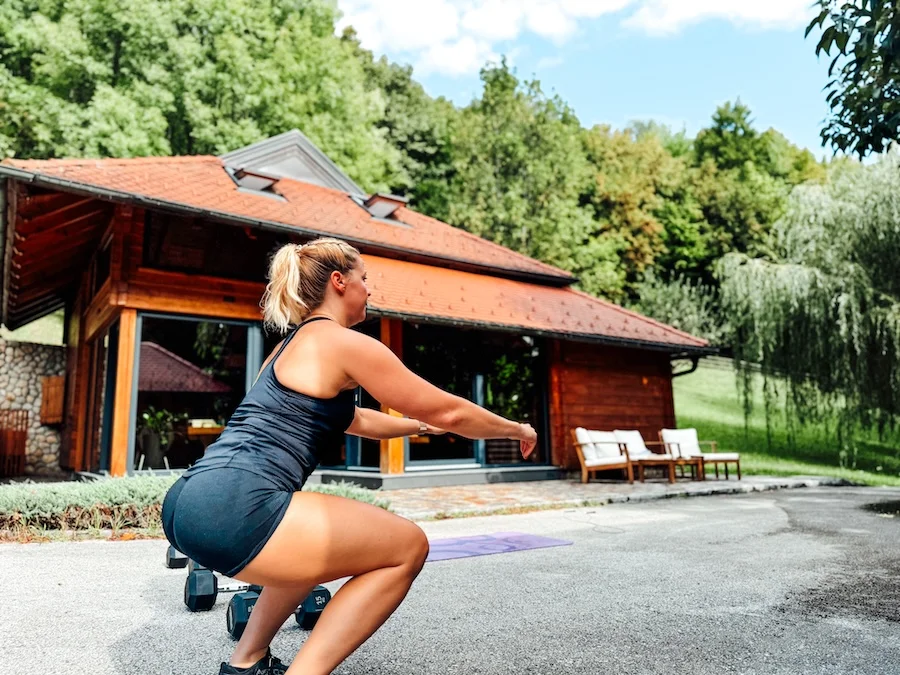
The key lies not in more discipline, but in better structures. Exercise must be easily accessible—otherwise, it will get lost in everyday life.
Making movement visible and achievable
You are more likely to use what you see. If everything related to exercise is stored away somewhere, it becomes a conscious decision. And conscious decisions cost energy.
Small changes help:
Keep comfortable shoes handy
Make space for short exercise routines
Design your work environment so that standing up regularly is normal
Link exercise to existing routines
You don't have to invent new rituals. It's enough to combine exercise with things you do anyway.
For example:
Brief mobilization after getting up
A few steps after each phone call
Exercise break before the next coffee
Walk after dinner
This way, exercise becomes part of your daily routine, not just another item on your to-do list.
Exercise without changing clothes or preparation
A common obstacle is the thought: “It's not worth it anymore.” This is exactly where it helps to think small.
A few minutes of stretching, gentle walking, mobilizing the spine—none of this requires any preparation. But it still counts.
Exercise is effective even if it is not traditional training.
Exercise despite limited time
Time is rarely the real problem. What is often lacking is a realistic opportunity for exercise in everyday life. If exercise is only thought of as a “proper workout,” it quickly falls by the wayside—especially on stressful days.
As soon as you think smaller, that changes. Getting up for a few minutes, walking around briefly, mobilizing a little, or consciously changing position—none of this takes much time, but it makes a noticeable difference. Exercise doesn't have to be planned; it can happen in between other activities.
Especially on busy days, less is better than nothing. Small bursts of exercise keep the body alert without causing additional stress. And that's exactly why they are more likely to stick in the long term than large, perfectly planned sessions.
Exercise isn't an extra, it's essential
Exercise is not something you have to “earn” or plan perfectly. It is something your body needs every day—in small, regular doses.
You don't have to change everything at once. Start by making exercise a natural part of your life again.
Stand up more often. Walk a few extra steps. Move around occasionally. Or do a short warm-up flow in the SmartWOD Generator.