Functional fitness is no longer a niche sport. Athletes are getting stronger, faster, and more professional—and the competitions are getting bigger.
At the same time, the question arises more and more often: What exactly is being tested here? Strength? Endurance? Athletics? Or simply who can last the longest? This is exactly where the ATHX Games by adidas come in.
Instead of constantly coming up with new, increasingly extreme workouts, they want to make performance more clearly visible. Less chaos, more structure. Fewer surprises, more comparability. And all this with the aim of making functional fitness more athletic and easier to understand.
In this article, we take a look at what's behind the ATHX Games, how the competition is structured – and why the Games could be more than just another event on the calendar for the future of the sport.
What exactly are the ATHX Games by adidas?
The ATHX Games are a new international competition format in the field of functional fitness, initiated by adidas. The aim is to present athletics in a clearer, more comparable, and more athletic way than is the case in many classic functional fitness competitions.
At their core, the ATHX Games are not about who can survive an extremely long workout. Instead, the focus is on the question: How capable is an athlete really – in clearly defined areas?
The Games are designed to test individual skills in a targeted manner. Strength, explosiveness, endurance, body control and technique are not mixed randomly, but deliberately separated or combined in a controlled manner. This creates a competition that relies less on surprise and more on measurable performance.
An important point: The ATHX Games do not seek to reinvent functional fitness, but rather to structure it.
Many elements are familiar from existing sports – lifts, gymnastics, endurance formats. The difference lies in how they are used: with clear standards, comprehensible scoring, and a fixed sporting framework.
How are the ATHX Games structured?
The main difference between ATHX Games and traditional functional fitness competitions is that they do not consist of random WODs, but rather clearly defined, repeatable performance tests. Each test assesses a specific skill—and that is precisely what makes the competition so comparable.
Basic principle of the competition
The competition is divided into several disciplines (tests). Each discipline represents a specific area of performance:
maximum strength
athletics & movement control
Important: Not everything is tested at the same time. Each skill is tested separately.
The five core disciplines of ATHX Games
1. Strength – Maximum strength under competition conditions
The strength discipline is all about pure power performance.
Typical classic lifts include:
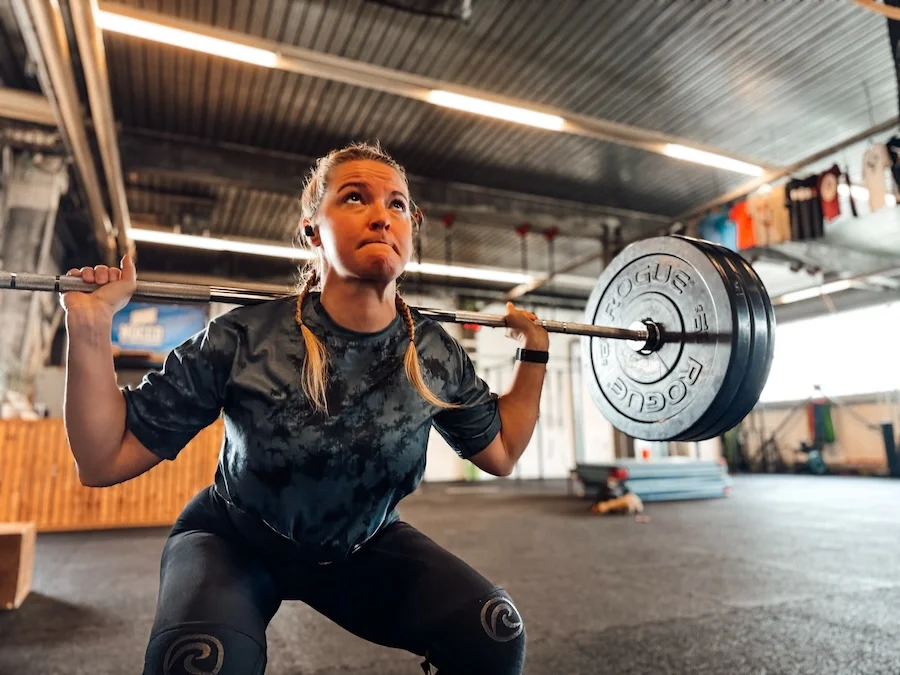
Front squat
Occasional press or clean variations
Characteristic features are:
few repetitions
high loads
clear standards
long breaks
It's not endurance that counts here, but maximum strength and technique under pressure. This discipline very quickly separates well-trained athletes from truly strong athletes.
2. Power – Explosiveness & Speed
Power events test how quickly force can be applied.
Typical elements are:
Olympic lifts (e.g., snatch or clean variations)
Jumps
Short, explosive movement sequences
The key factors are:
Clean technique
Speed
Precise movement
If you think too hard or work too slowly here, you will immediately lose time or points.
3. Endurance – clearly defined
Unlike many other competitions, endurance events at the ATHX Games are clearly structured. Monostructural equipment is often used:
SkiErg
Bike
Often over long periods of time and without strength training in between.
The goal is clear: to make pure endurance performance visible without mixing it with technique or strength.
4. Gymnastics – Body Control & Technique
This discipline is about relative strength and movement control.
Typical exercises:
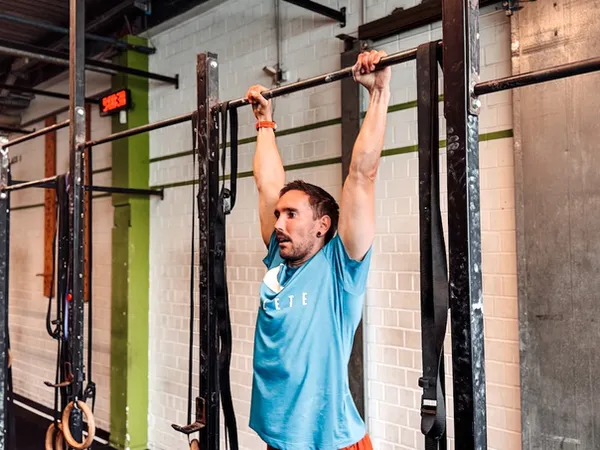
Pull-ups / Chest-to-bar
Toes-to-bar
Handstand variations
Core-focused movements
This shows:
how well athletes control their own bodies
how cleanly they work under fatigue
Strength alone is not enough here. Technique and body tension are decisive.
5. Mixed events – combination, but targeted
Only in mixed events are several skills combined. But here too, the rule applies: not arbitrarily.
Typical:
clearly defined volume
clean transitions
comprehensible processes
The goal is not maximum destruction, but to test athletics under more complex conditions.
Scoring & comparability
Another key difference from other competitions: the scoring system.
Each discipline earns points
Rankings are clearly understandable
No “unofficial” scores
No room for interpretation
This ensures that:
Results remain comparable between events
Athletes know exactly where they stand
Performance is the focus, not luck or chance
Why this structure is so crucial
With this structure, ATHX Games answers a question that many competitions leave unanswered: What can this athlete really do—and where?
You see:
who is strong
who is explosive
who is persistent
who works with technical precision
Not everything gets blurred together in one long workout. And that's exactly what makes the ATHX Games athletically relevant.
What distinguishes ATHX Games from traditional functional fitness competitions?
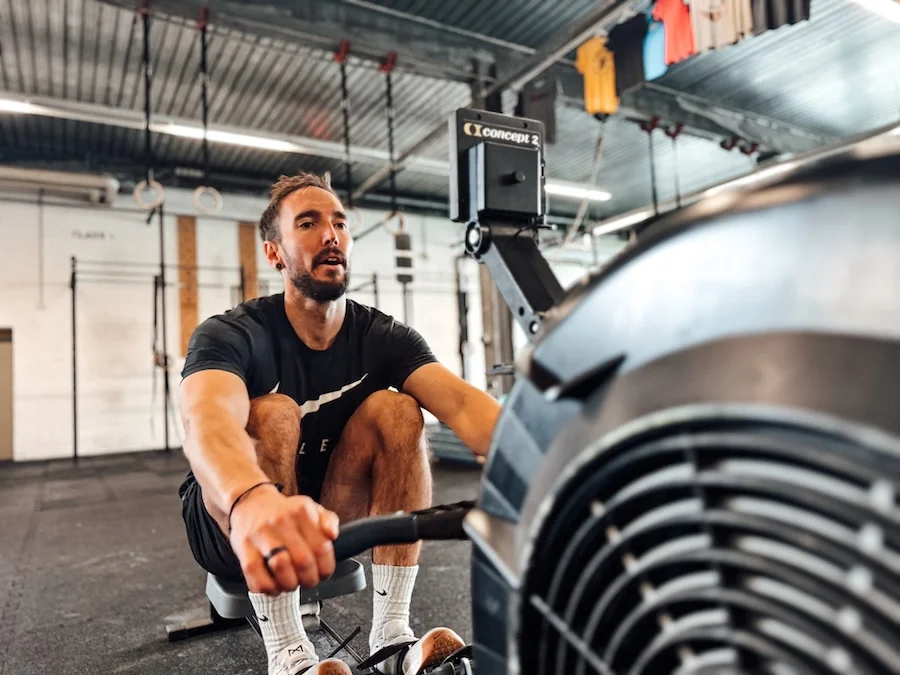
The biggest difference lies not in individual exercises or branding, but in the requirements for structure and comparability. The ATHX Games are deliberately structured in such a way that performance is clearly recognizable and classifiable—for athletes and spectators alike.
1. Clear tests instead of surprise workouts
Many classic functional fitness competitions rely on surprise: unknown workouts, changing requirements, often announced only shortly before the event. This can be exciting, but it makes performance difficult to compare.
At ATHX Games, it's clear:
Which skill is being tested
Why it is being tested
How it is evaluated
This reduces randomness and increases significance. The winner doesn't win because they “can do everything somehow,” but because they are better in defined areas.
2. Separation of service areas
One key difference is the clear separation of skills. Instead of mixing everything together in one long, tiring workout, the ATHX Games test individual performance areas in a targeted manner:
Body control
Combinations of these
This makes it clear where an athlete is strong—and where they are not. In many other competitions, this becomes blurred because everything is required at the same time.
3. Less volume, more precision
ATHX does not focus on maximum destruction. The workouts are challenging but deliberately limited:
less unnecessary volume
clearer repetition numbers
clean movement standards
The goal is not to exhaust athletes, but to test their athleticism under clear conditions.
4. Better comprehensibility for viewers
A common criticism of functional fitness as a competitive sport is its lack of comprehensibility. Outsiders see movement, but do not understand what is being evaluated.
At the ATHX Games, it is easier to see:
who is in the lead
why someone is faster or stronger
which skill is making the difference
This makes the sport more accessible without simplifying it.
5. Less chaos, more sports logic
Classic competitions often thrive on chaos: lots of exercises, high repetitions, extreme fatigue. That's part of the scene – but not always clean from a sporting perspective.
ATHX Games follow a more classic sports logic:
clear disciplines
comprehensible scoring
reproducible tests
This shifts the focus away from pure endurance and toward genuine performance.
In a nutshell
ATHX Games are not different because they are “tougher” – but because they are more structured. They don't want to test everything at once, but rather clearly show who can do what. And that's exactly what makes them an exciting alternative to many existing functional fitness competitions.
Why ATHX Games is more than just another event
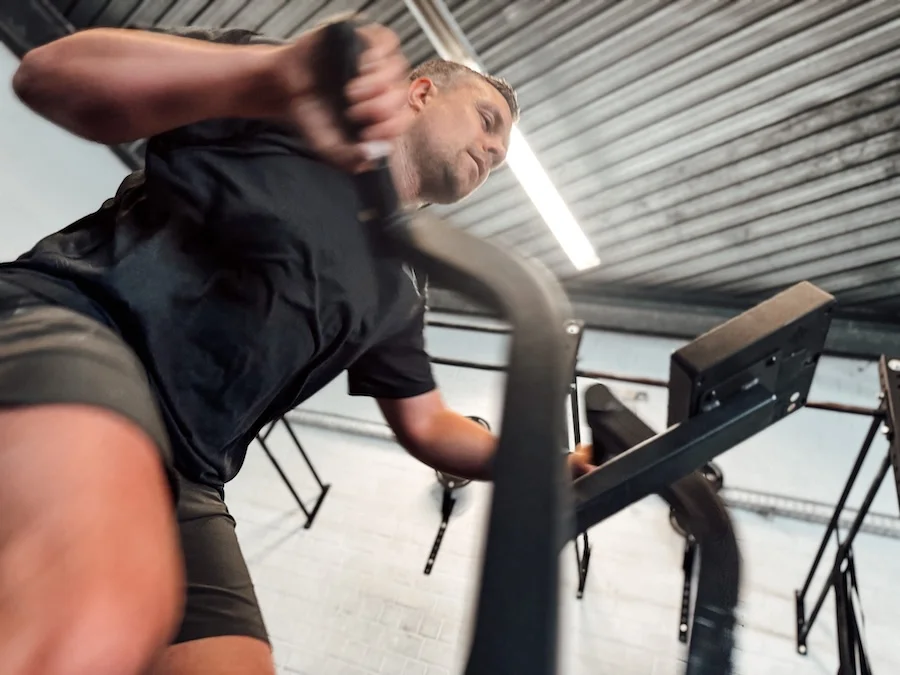
The ATHX Games are not just another date on the competition calendar. They represent a different approach to functional fitness – moving away from pure endurance and toward clearly defined athleticism.
What makes them special is not a single workout or a spectacular location, but the idea behind them: performance should be visible, comparable, and comprehensible.
It remains to be seen whether this format will establish itself in the long term. But regardless of that, the ATHX Games have already sparked a discussion about what functional fitness can look like as a competitive sport when approached from a consistently athletic perspective.